Primary & Intermediate School Programme
The primary and intermediate school programme at Howick Historical Village is designed for years 1-8. The programme provides hands-on, interactive learning activities that support the New Zealand Curriculum by encouraging students to think critically, creatively, and reflectively. Students enjoy the rich learning experience developed and delivered by our dedicated educators.
You can create your own programme to suit your specific learning and teaching needs from our list of educational sessions.
Howick Historical Village provides your students with a fully immersive, fun, and stimulating experience!

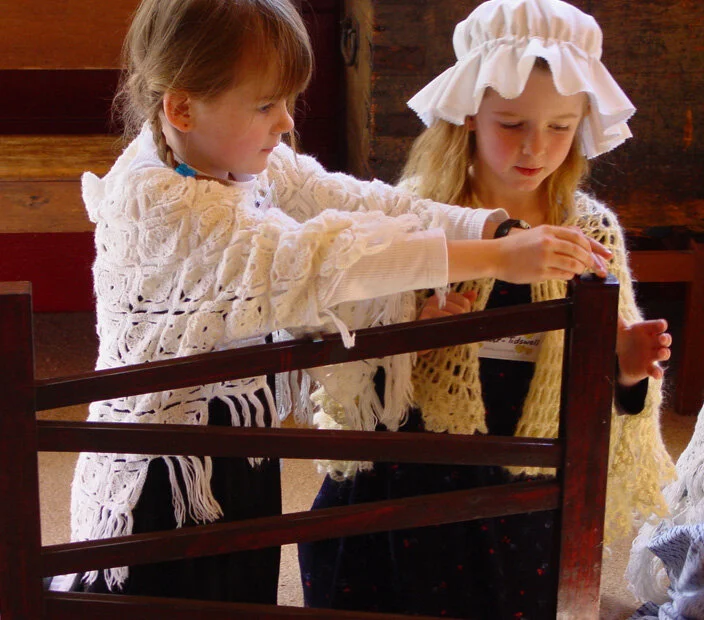
Butter Making
Years 3-13, ESOL
School Lesson
Years 1-8, ESOL
Toytime
Years 0-4, ECE
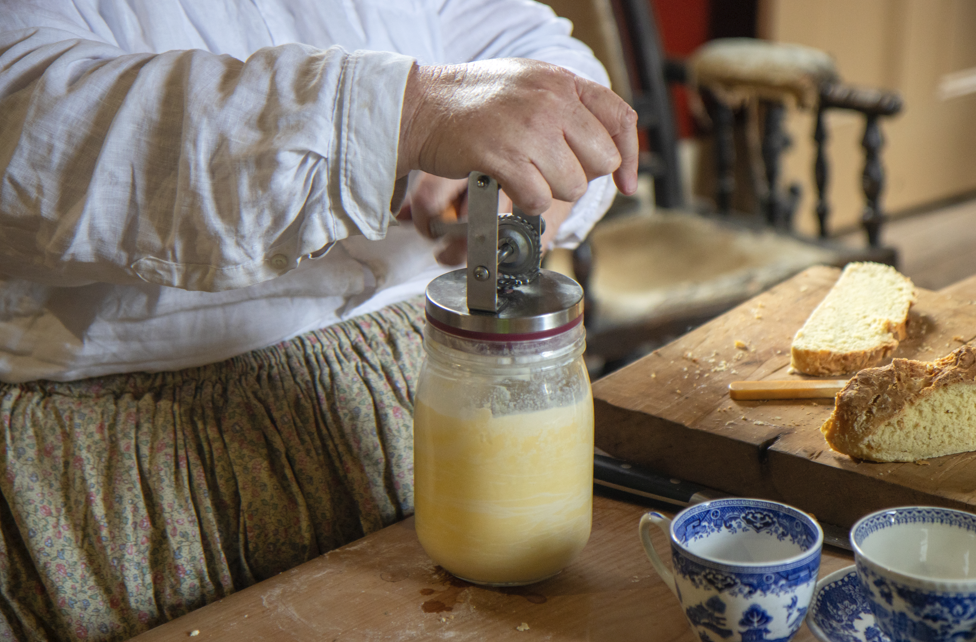
Students take turns churning cream into butter while learning about its importance to 19th century families, a stark contrast to modern convenience. The butter is sent back to school with the teacher and may even be used for baking!
-
Demonstrate understanding of roles and responsibilities within families of the past.
Understand the significance of the early dairy industry to family economies.
Compare past and present technologies.
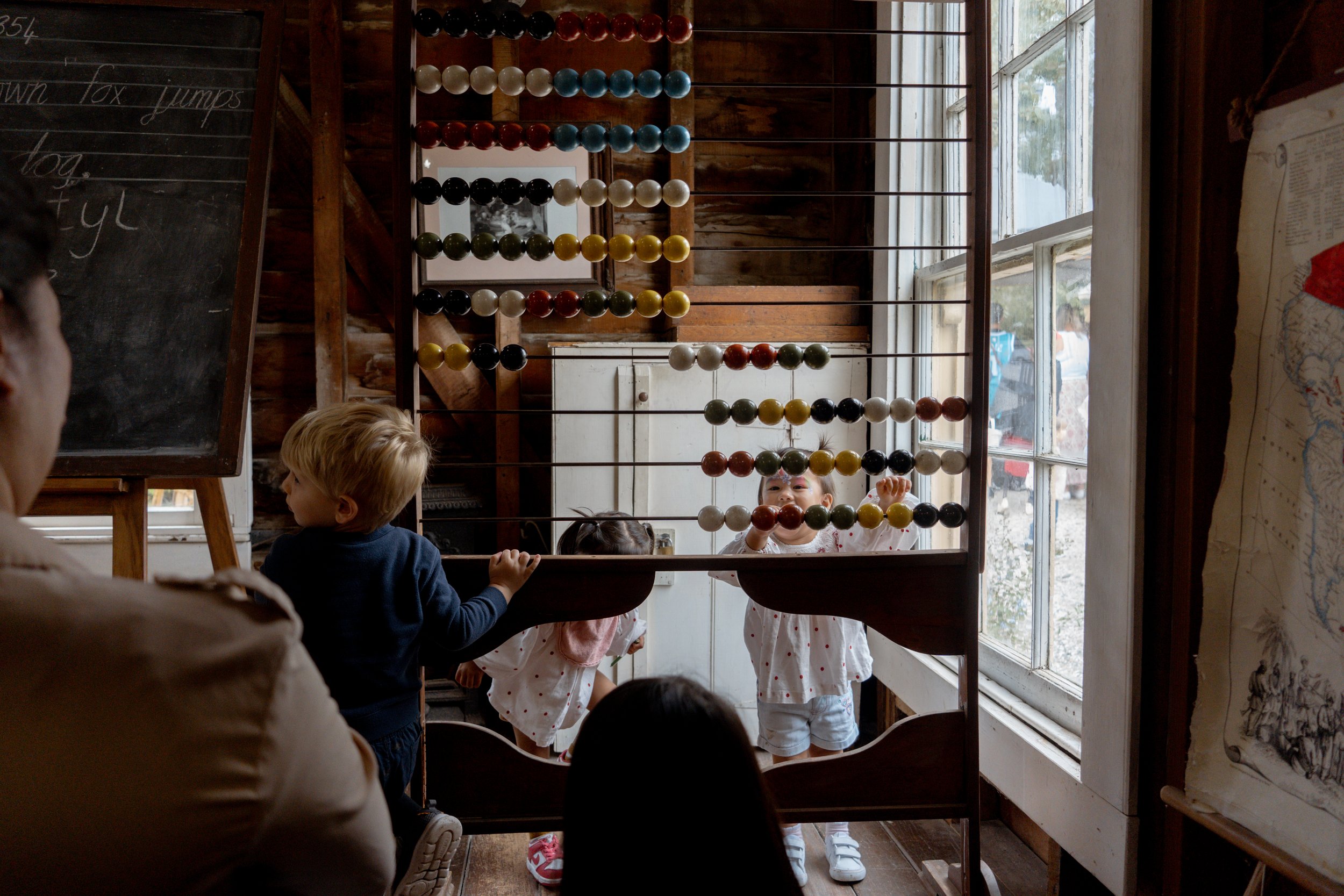
Step into an authentic Victorian classroom and experience a lesson from the 1800’s. Students use slate boards for handwriting, arithmetic, and spelling while learning about the strict discipline and expectations of the time.
-
Compare and contrast aspects of schooling in the past with schooling today.
Understand how education practices reflect the values and expectations of society at the time.
Recognise how rules and discipline shaped children’s experiences in the past.
Students explore a variety of authentic and replica toys, comparing them to modern toys while considering how they work and how they were made. They then investigate the technology behind them before enjoying free play and discovery.
-
Identify similarities and differences between early settler and Māori forms of play.
Explore basic ideas of technology and change over time through play.
Understand how people used natural materials to create toys.
Compare toys and games from the past with those of today.
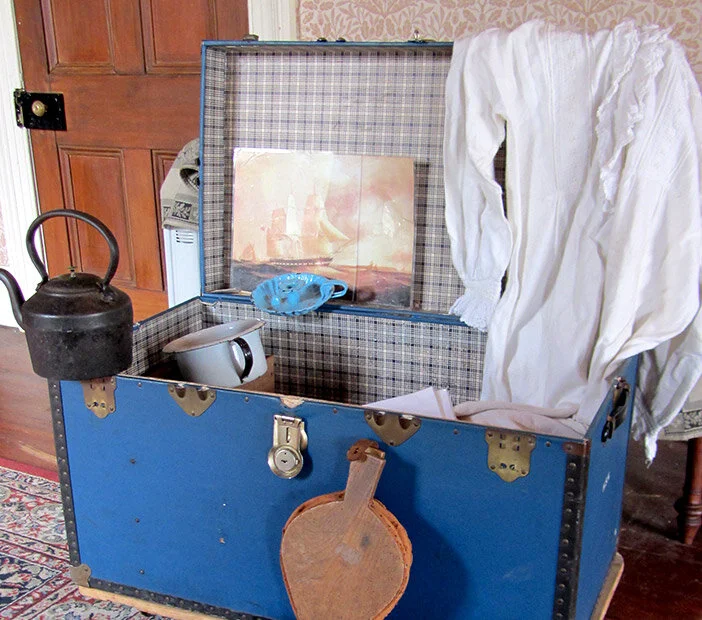
Unpack the trunk
Years 3-13
Watch items be unpacked from a typical Fencible trunk in this hands-on, imaginative activity. Students explore Victorian household tools through role play and compare them with modern day appliances.
-
Understand aspects of daily life for early settlers in Aotearoa, New Zealand
Explore how migration influenced people’s lives, including push and pull factors.
Recognise interactions between settlers and Māori.
Compare household tools and technologies from the past with those of today.


Wash Day
Years 0-6, ECE
Outdoor games
Years 0-8, ECE, ESOL
Digging up the past
Years 5-8
Parlour Games
Years 5-8, ESOL
Help with Village 1850s style washing! Children explore past routines and chores using scrubbing boards, dollies, and hand-washing, and may fetch water from the well or see a mangle in action.
-
Understand the roles and responsibilities within families in the past through everyday household tasks.
Recognise how access water and technology have changed over time.
Develop cooperation and participation.
Some children have never walked on stilts, thrown a quoit, or skipped rope! In this dry weather activity, students explore Victorian outdoor toys while learning how they were made and how leisure time was spent in the 1800s.
-
Understand how people in the past used available and natural materials to create forms of entertainment, pastimes and toys.
Explore how leisure activities reflect social and cultural life of early communities in Tāmaki Makaurau, Auckland.
Recognise how children’s experiences and opportunities have changed over time.
Students take part in a mini archaeological dig, uncovering household artefacts and recording their findings while learning how archaeology reveals the past in early Tāmaki Makaurau.
-
Understand the role of archaeologists and how material evidence helps us learn about the past.
Make connections between artefacts and the lives, values, and belief systems of early settlers.
Compare aspects of life in the past with life today.
Students learn about traditional 1800s parlour games are how they were played. suitable for all ages and weather conditions and designed to encourage full participation throughout the session.
-
Understand how people in the past used available and natural materials to create forms of entertainment, pastimes and toys.
Explore how leisure activities reflect social and cultural life of early communities in Tāmaki Makaurau, Auckland.
Recognise how children’s experiences and opportunities have changed over time.
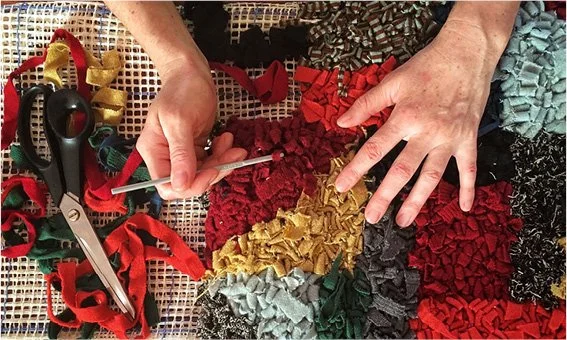


Rag Rugging
Years 5 – 13, ESOL
Clever Communication
Years 5-8
Jolly Trolley
Years 7-13
Courthouse
Years 7-13
Helpful Herbs
Years 3 – 8, ESOL
Nursery Rhymes
Years 0-4, ECE
Activities
Students create a mini rag rug on hessian while exploring its purpose and the origins of materials through discussion. This relaxing, sociable activity is enjoyed by all.
-
Understand how resourcefulness and sustainability mattered in the past, when using traditional materials to meet one’s needs.
Explore 19th century daily life and household practices that reflect the social and economic conditions of the time.
Demonstrate how traditions and skills are passed down across generations.
Step back in time to explore communication systems before the rise of digital technology, where messages were sent using symbols, codes, and early systems like Morse code, pigeon post, and pen and ink.
-
Understand how communication methods have changed over time and why.
Explore how people adapted communication to meet social, cultural, and technological needs.
Recognise how historical communication systems influence how we communicate today.
Students in their team’s race to assemble a trolley using nuts, bolts, wheels, and a guide image, working together to find the fastest and most effective build method.
-
Understand how technology and design processes have changed over time.
Apply problem-solving strategies to create a working ‘trolley’ from instructions.
Demonstrate collaboration, teamwork and communication.
Recognise innovation and practical skills of the past.
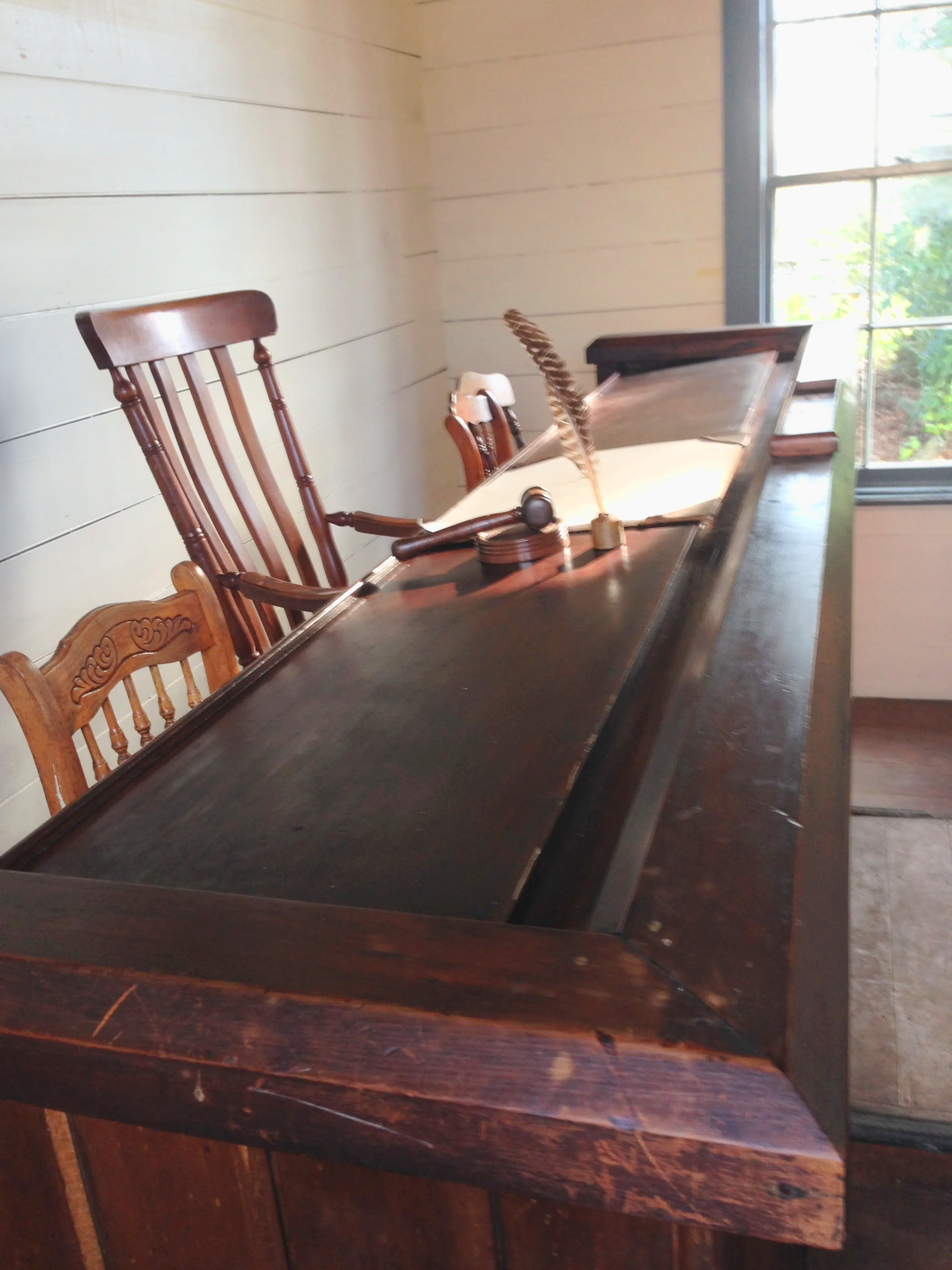
Students act out an 1880s court case in the Victorian courtroom, taking on roles to explore early justice systems, societal values, and how they compare to today. This engaging activity suits confident readers.
-
Gain an understanding of early court and justice systems in Aotearoa, New Zealand.
Explore how laws and legal processes reflect values and beliefs of Auckland society,
Compare historical court practices with those used in the present day.
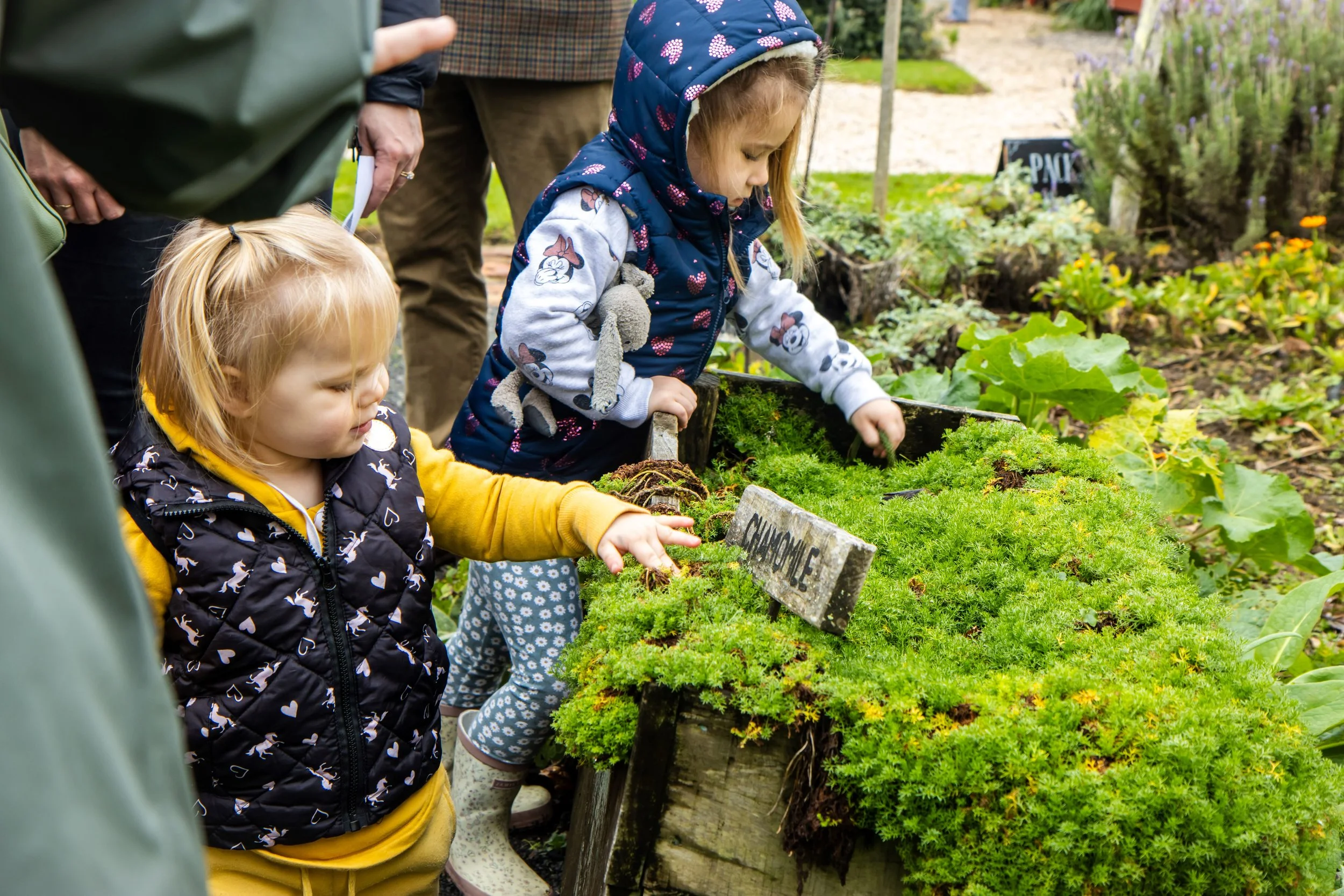
Explore our Village Education garden to discover Victorian plants and herbs, then work together to create a concoction and decide its historical use: medicine, perfume, or cooking.
-
Understand how people in the past used natural resources to meet their needs (e.g. Food, medicine, wellbeing).
Explore how environments and ecosystems influenced how people lived and worked.
Work collaboratively to share ideas and make decisions.
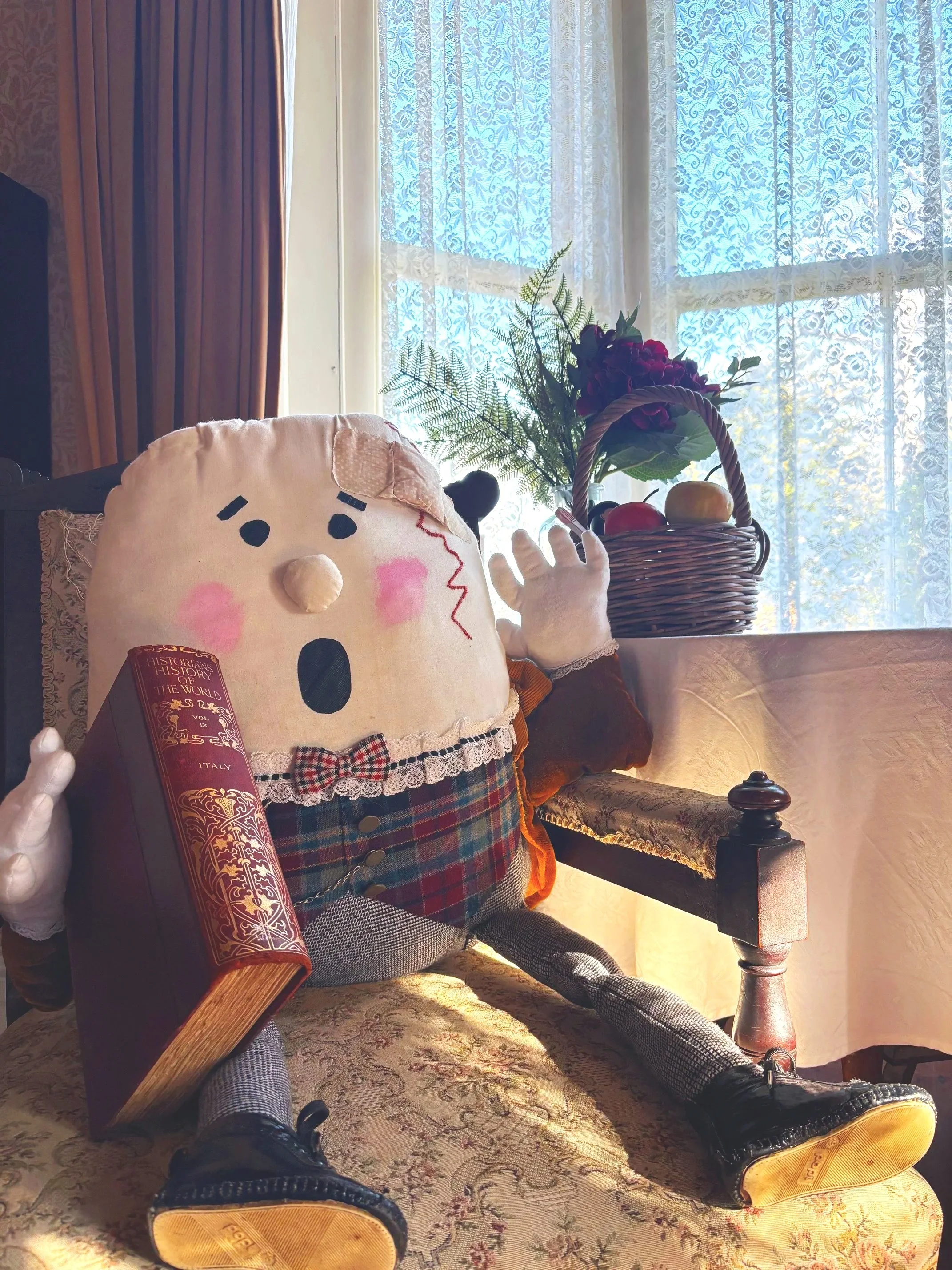
Children explore nursery rhymes through song, movement, and visits around the Village, or indoor parlour games in wet weather, to discover how they were used in the past.
-
Explore how songs and rhyme were used for entertainment and learning in the past.
Recognise oral traditions as a form of storytelling and knowledge.
Develop language, rhythm, and communication skills.
Get in touch.
Looking for a fun, engaging way to bring history to life? We’ve got you covered. Whether it’s a class trip or a special program, we offer hands-on learning experiences your students will love.