
Picton Street
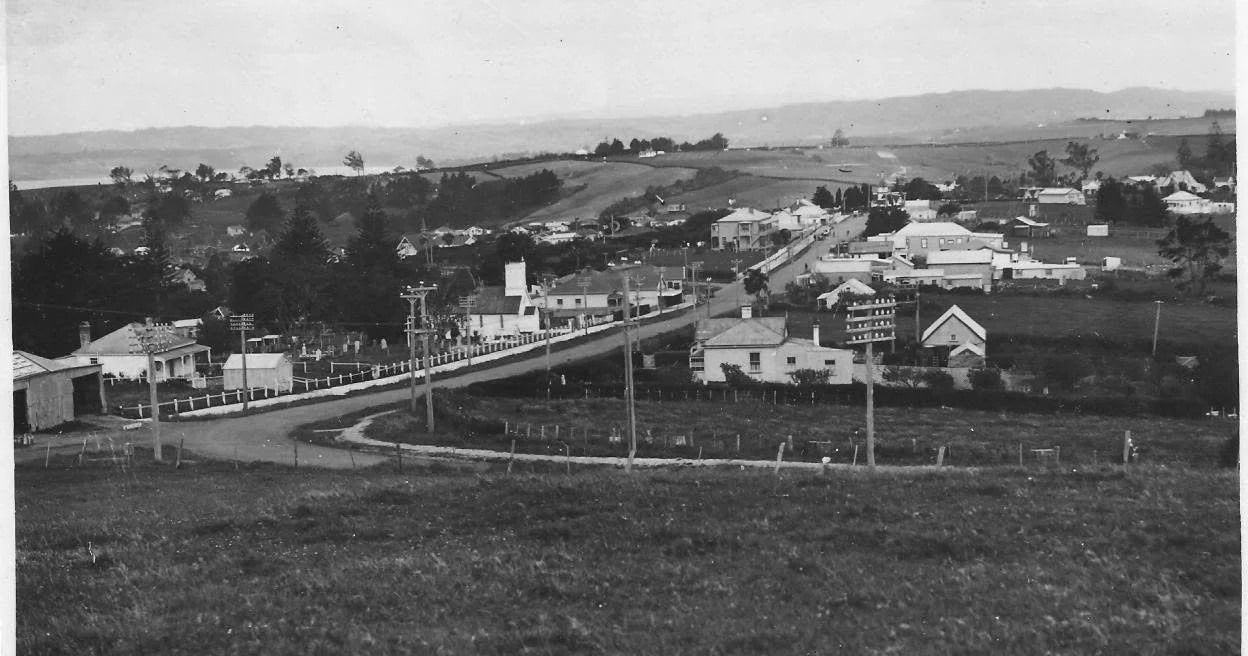
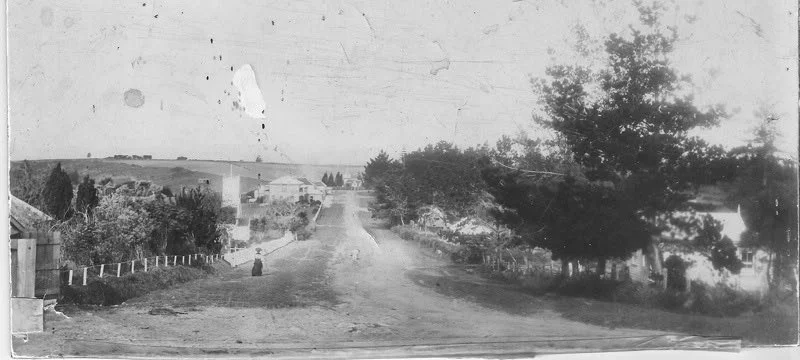
Right in the centre of Howick Village, Picton Street has long been a focal point for community life, but its name tells a story that stretches far beyond Aotearoa.
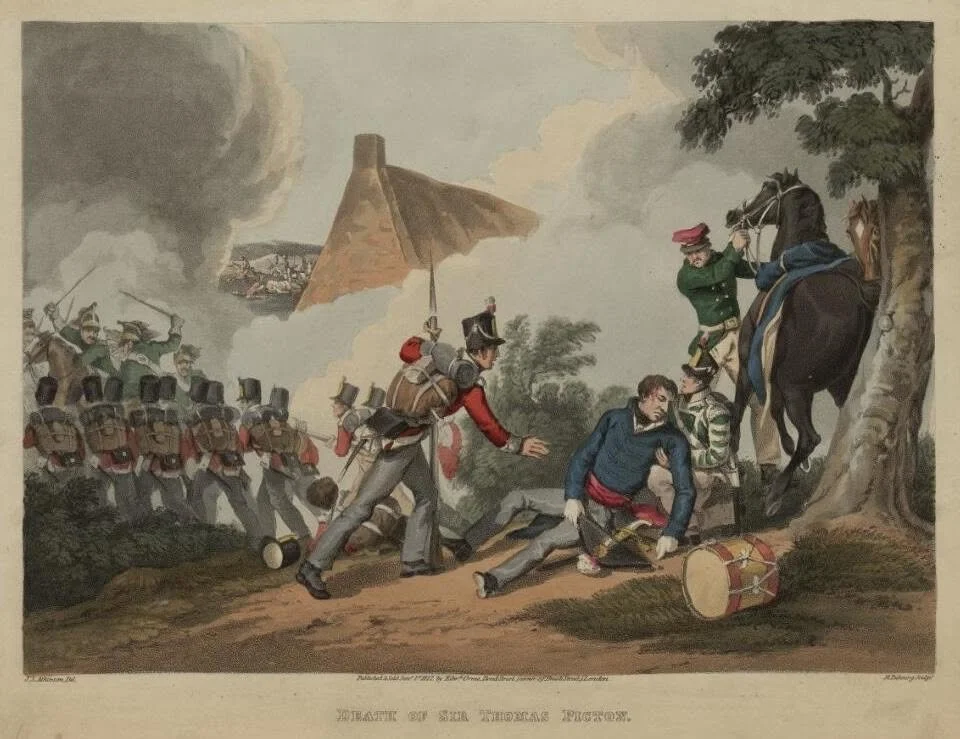
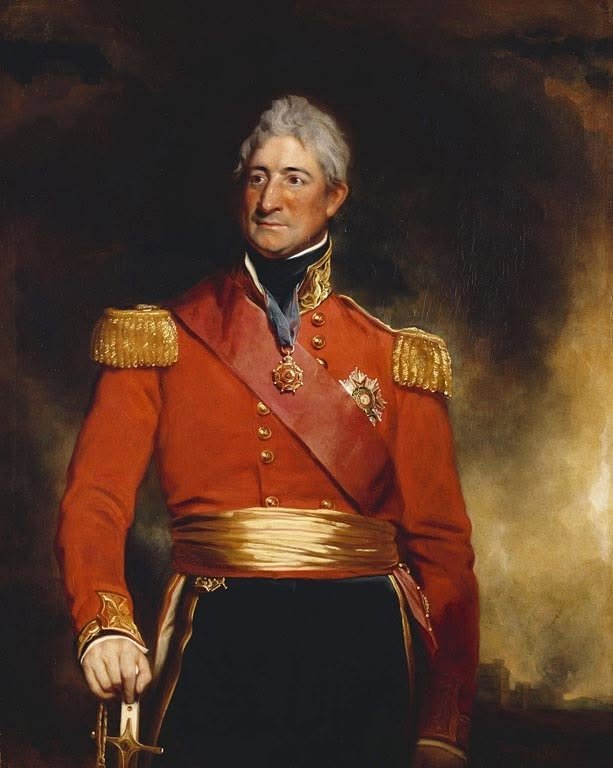
The street is said to be named after Sir Thomas Picton, a Welsh officer in the British Army. He fought in the Napoleonic Wars and was one of the highest-ranking officers killed at the Battle of Waterloo.
However, Picton’s legacy is not without controversy. During his time as a colonial governor in Trinidad, he was involved in the enslavement of people and the use of harsh and often brutal punishments.
In 1806, he was put on trial for authorising the torture of a 14-year-old girl, Luisa Calderón, a case that drew significant public attention at the time. Today, he is increasingly recognised as a complex and contested historical figure, and his name prompts important conversations about how we remember the past.
Names like Picton would have been familiar to the Royal New Zealand Fencibles, retired soldiers who settled in Howick in the 1840s. These military connections are reflected throughout the area, woven into the very names of its streets
Today, Picton Street is a lively hub of shops, cafés, and community life, but beneath it all lies a layered history, shaped by both local beginnings and global stories.
Next time you walk down Picton Street, take a moment to reflect on the stories behind the name.