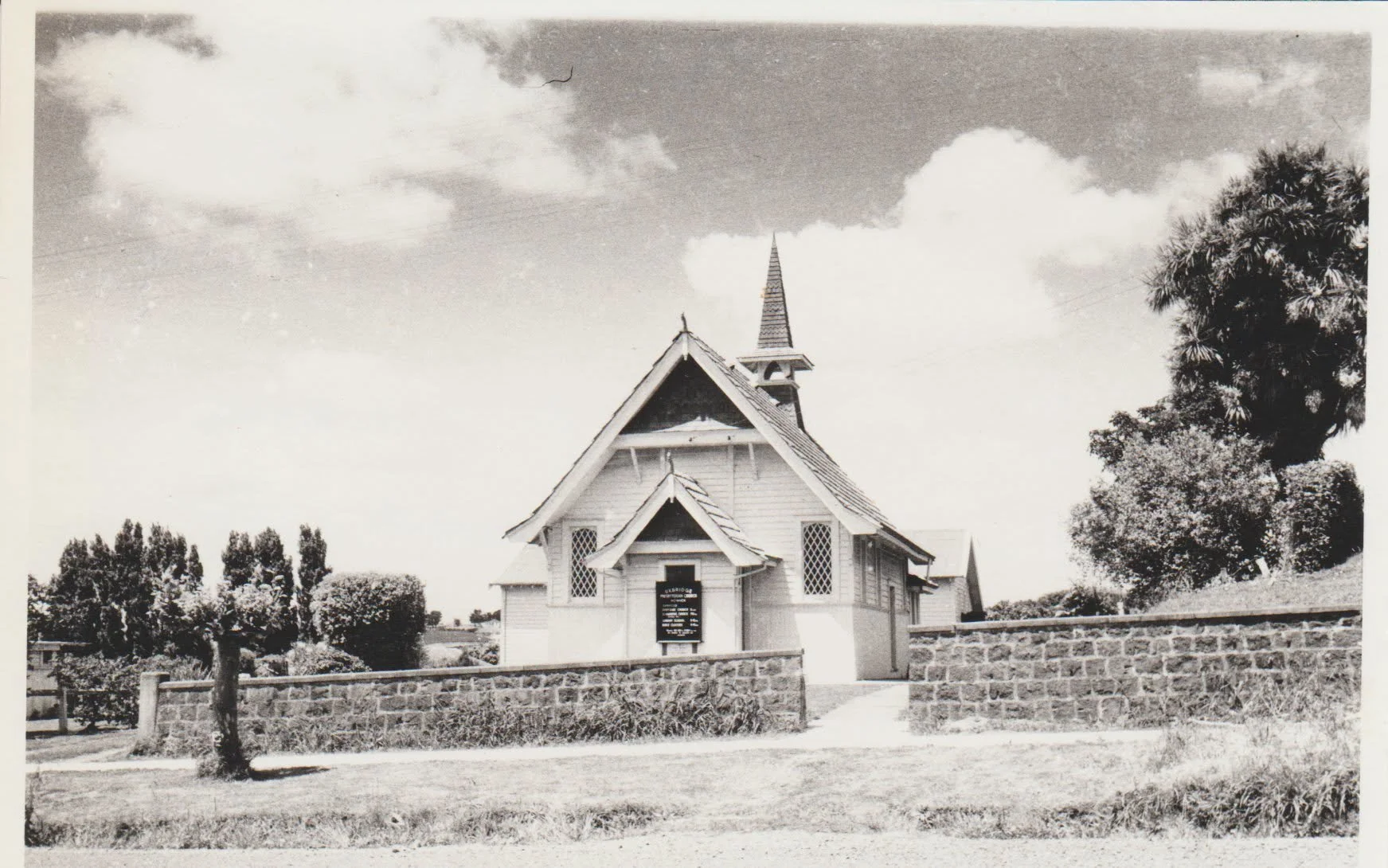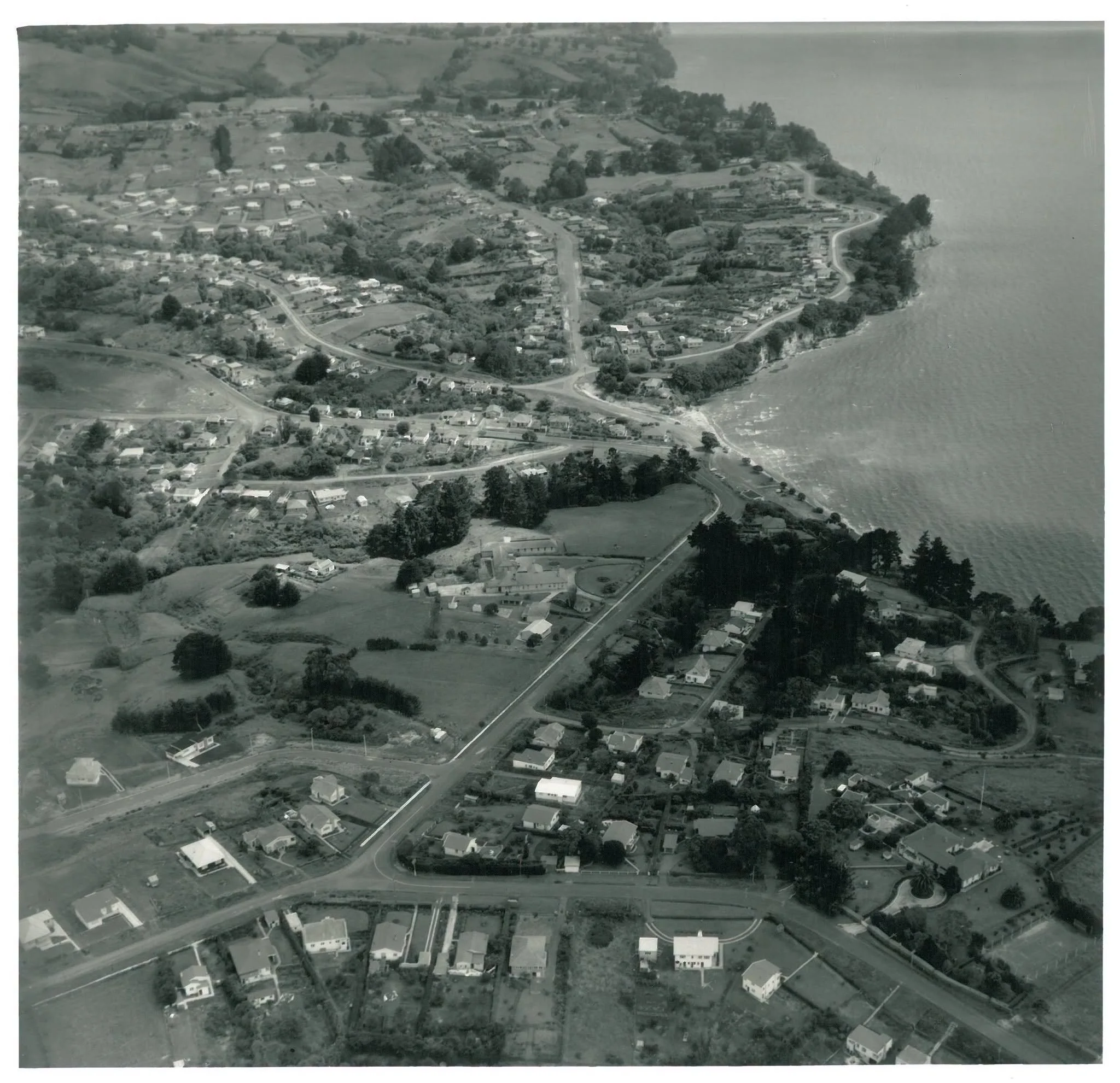

Uxbridge Road
Have you ever noticed that many street names in Howick Village are named after British military heroes?
When the village was first being built, Major-General Godfrey Mundy had an idea. He talked to his friend Sir George Grey about naming the streets after military and naval heroes and battles.
This week we delve into Uxbridge Road.
The man behind the name.
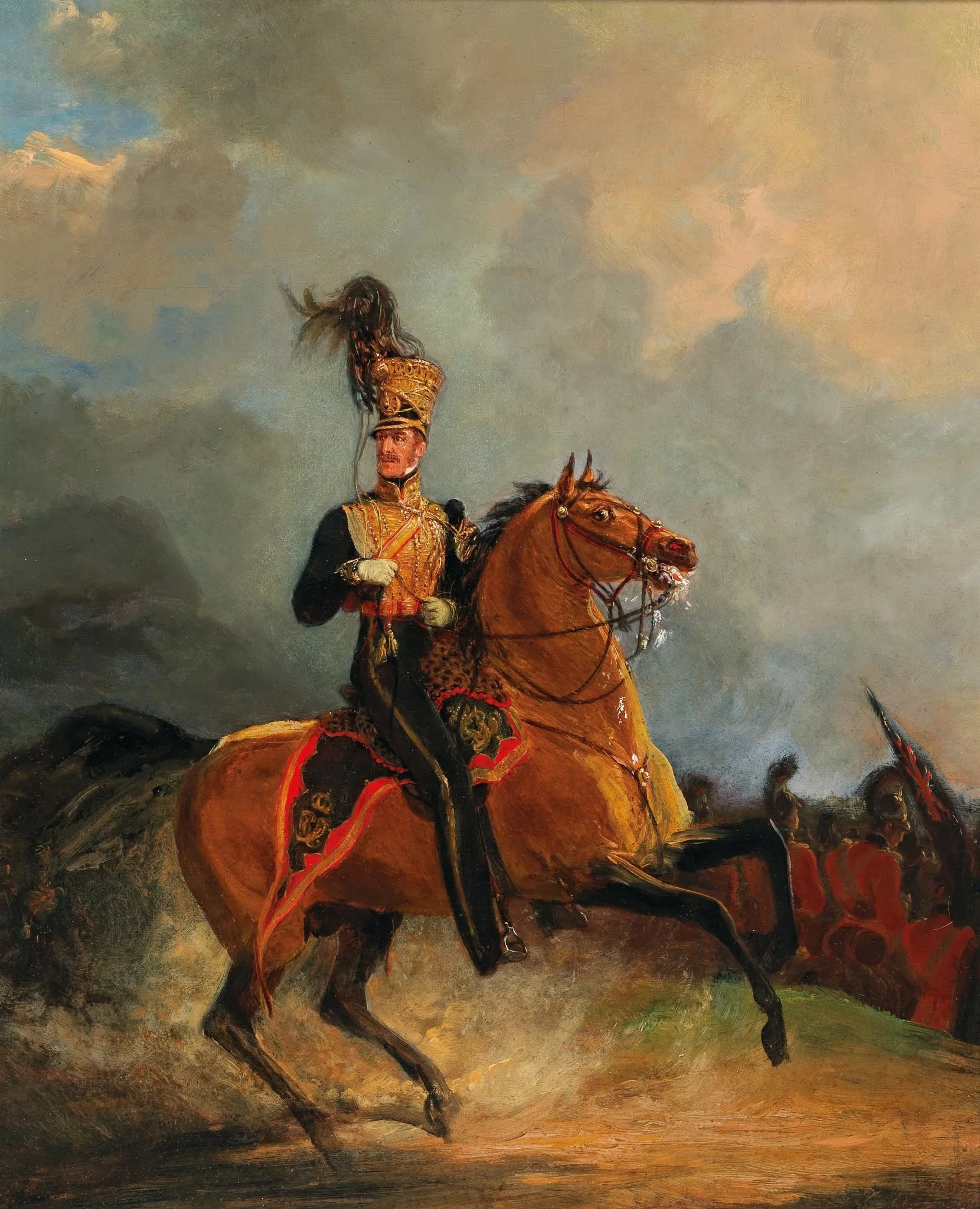
Uxbridge Road is named after Field Marshall Henry William Paget, who was also known as the Earl of Uxbridge. He was born on May 17, 1768. His original name was Henry Bayley; his parents were Henry, the 1st Earl of Uxbridge, and Jane Bayley-Paget (whose maiden name was Champagné). In 1770, when he was just two years old, his family changed their surname to Paget.
How his military career began.
Henry started out as a politician, but when the French Revolutionary Wars began, he decided to take action.
He raised his own regiment of volunteers and was given the temporary rank of Lieutenant-Colonel-Commandant in 1793.
By 1795, he was formally commissioned into the British Army as a Lieutenant. After that, things moved very quickly. Within just one year, he was promoted from Captain to Major to Lieutenant-Colonel to Colonel. By 1802, he had been promoted to Major-General, and then in 1808, he became a Lieutenant-General.
Fighting in Spain.
Remember Sir John Moore (Moore Street) from a few weeks ago? Well, Paget commanded Moore's cavalry in Spain. He led them to victory at the Battle of Sahagún and then again at the Battle of Benavente. His last action in the Peninsular War (also called the Spanish War) was the Retreat of Corunna, where Sir John Moore died.
However, Paget himself couldn't serve under the Duke of Wellington after this because of a personal scandal. He had a relationship with Lady Charlotte, who was married to Henry Wellesley (the Duke of Wellington's brother). Both Paget and Lady Charlotte were already married, but they divorced and married each other in 1810.
Becoming the Earl.
When Paget's father died in 1812, Henry became the Earl of Uxbridge.
Waterloo, his greatest moment.
During the Hundred Days in 1815, Paget was brought back into the military. He was appointed as the cavalry commander in Belgium. The Duke of Wellington wasn't happy about this as he still resented Paget because of what had happened in Spain.
Paget fought at the Battle of Quatre Bras on June 16, 1815, and then two days later at the Battle of Waterloo.
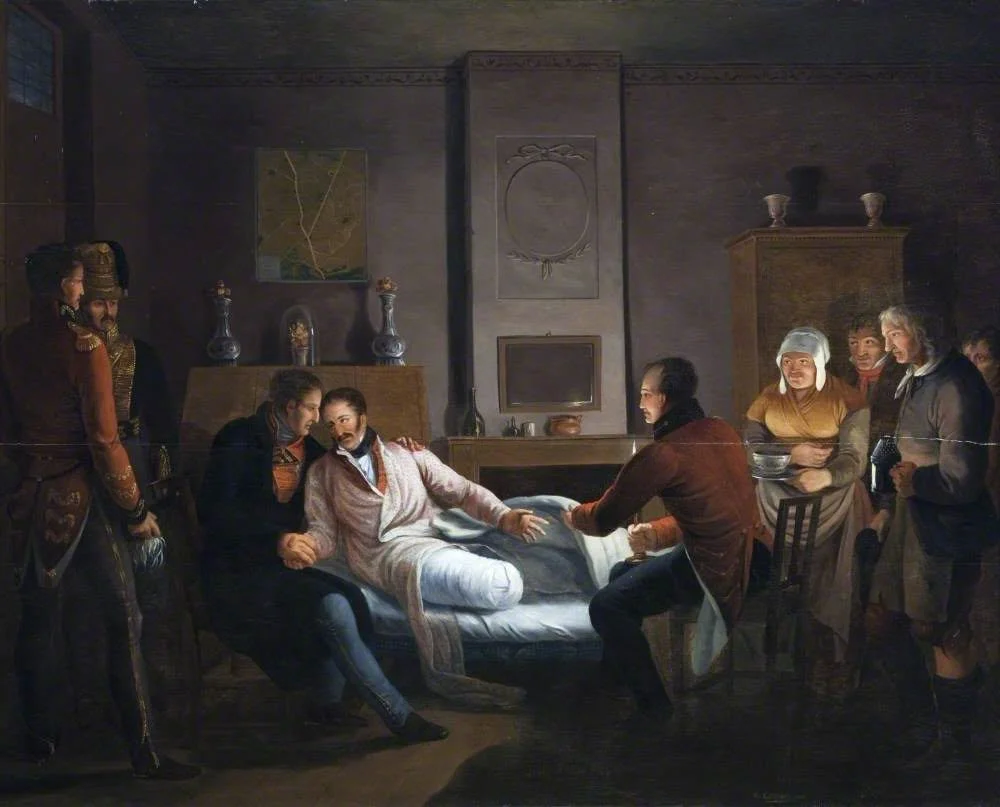
During the fighting at Waterloo, one of the last cannon shots of the day hit him, and he lost his leg. According to the story, Wellington was standing nearby. Paget said to him, "By God, sir, I've lost my leg!" and Wellington replied, "By God, sir, so you have!"
Because of his bravery in this battle, Paget was made the 1st Marquess of Anglesey in 1815.
After Waterloo.
Even though he lost his leg in battle, Paget had a cork leg made for himself. And here's the amazing part: he was still an excellent horseman, and people were impressed by how well he could still ride.
Later in life, he became an honorary colonel of the 7th Light Dragoons and then of the Royal Horse Guards.
Later in life, he would make himself rather unpopular in his support of the persecution of Queen Caroline for her alleged infidelity.
One day, an angry crowd surrounded him and forced him to shout "The Queen!" But he added his own twist and shouted, "May all your wives be like her!"
In his last years, he would serve as an honorary colonel of the 7th Light Dragoons and later of the Royal Horse Guards. His beloved Lady Charlotte would pass away in 1853, and Henry Paget would follow, not even a year later, in 1854.
Pretty wild story for just a street name?