Wellington Street
Ever wondered who Wellington Street is named after?
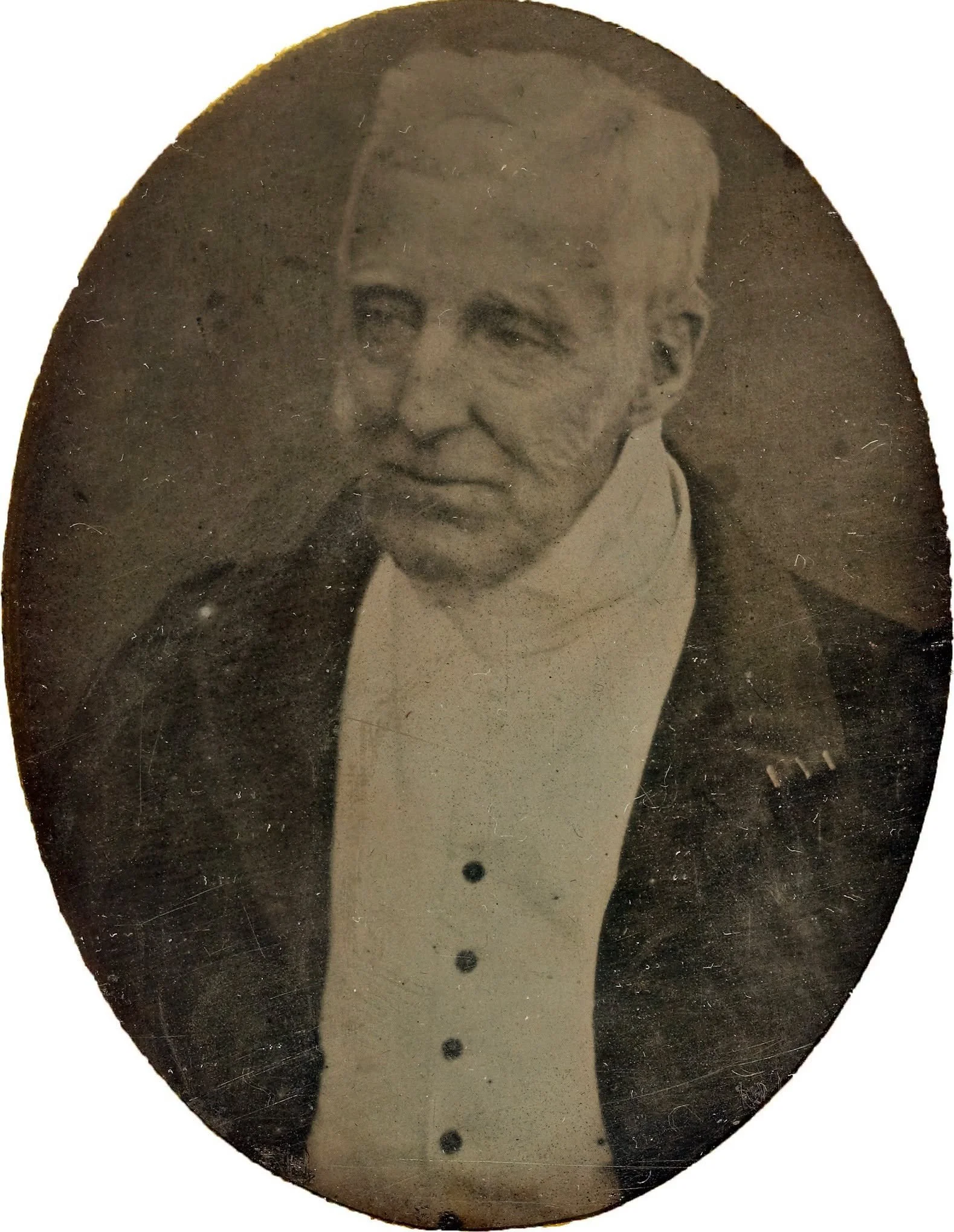
Meet Arthur Wellesley, the 1st Duke of Wellington, and the man who led his comrades to defeat Napoleon.
Arthur was born in 1769 into the Protestant Ascendancy in what was then the Kingdom of Ireland. His father, a politician and composer, died in 1781 when Arthur was just 12, leaving his mother Anne to raise their seven surviving children alone. Arthur was a middle child, and not exactly the family favourite. His own mother once wrote him off, saying, "I vow to God I don't know what I shall do with my awkward son Arthur. He is food for powder and nothing more."
Turns out she couldn't have been more wrong.
In 1787, Arthur was commissioned into the British Army as an ensign, going on to serve as aide-de-camp (personal assistant) to two Lord Lieutenants of Ireland. Not long after, he was elected as a Member of Parliament. Meanwhile, his military career climbed fast, Colonel by 1796, Major General by 1803.
He became a prominent officer during the Peninsular War, eventually promoted to Field Marshal (the highest rank in the British Army) after leading the victory at the Battle of Vitoria. Soon after, he served as British ambassador to France and was made Duke of Wellington.
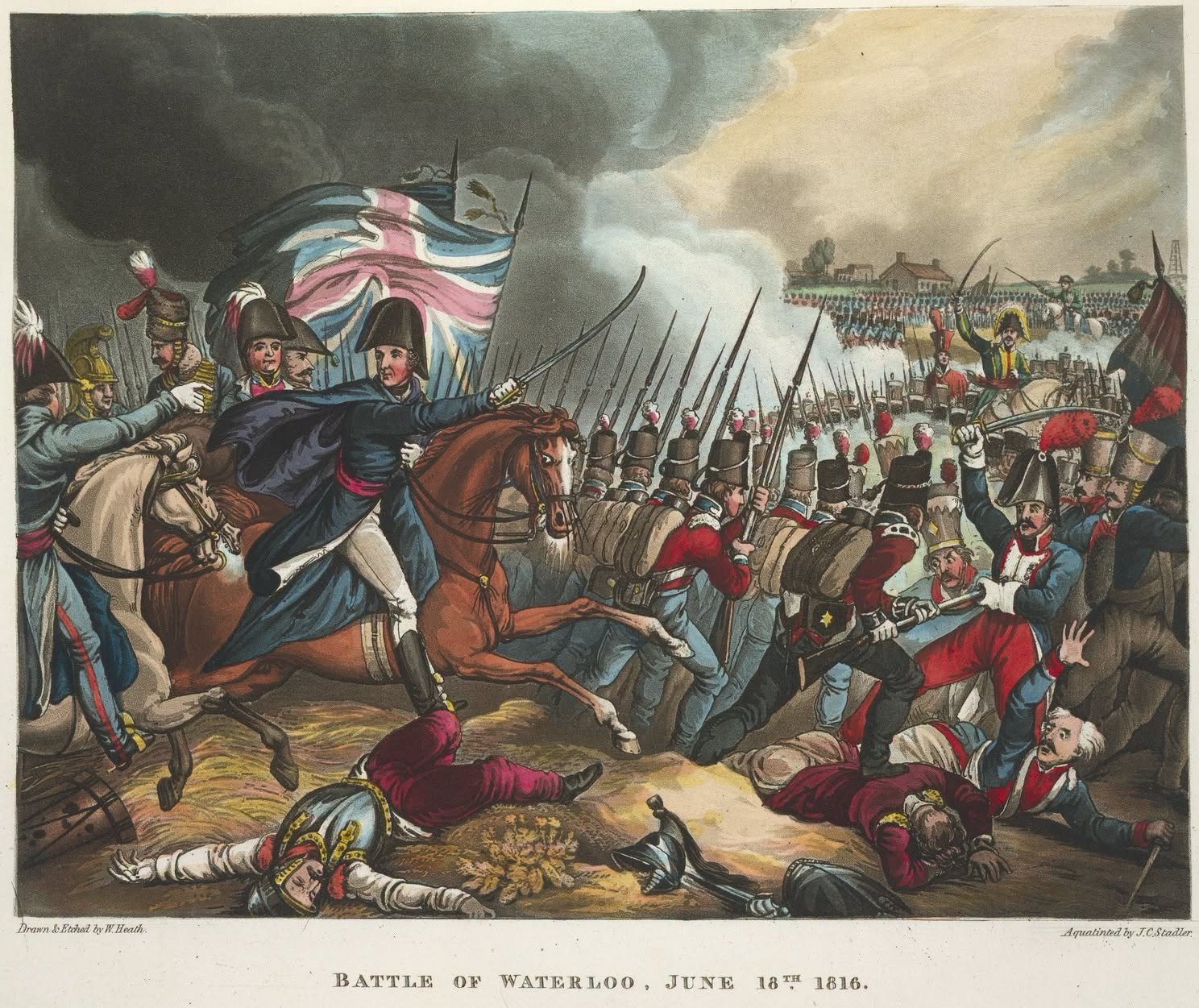
Then came the big battle. Waterloo, 1815.
When Napoleon escaped exile and returned to power (a period known as the Hundred Days), the Seventh Coalition formed to oppose him. It all culminated at the Battle of Waterloo, where Wellington took command of the British Army, joining allied forces from Prussia, the Netherlands, Hanover, Nassau, and Brunswick to end Napoleon's reign for good finally.
Wellington himself later admitted it was "the nearest-run thing you ever saw in your life"; it really could have gone either way.
He retired from the military just 3 years later and pivoted to politics, eventually becoming Prime Minister.
Here's a strange detail though: Wellington hated trains. He'd witnessed the death of William Huskisson, one of the first-ever railway accident casualties. And yet, when he died on 14th September 1852 at the age of 83, his own body was carried to London by train for a full state funeral.
Queen Victoria wrote: "He was the pride and the bon génie, as it were, of this country! He was the GREATEST man this country ever produced, and the most devoted and loyal subject, and the staunchest supporter the Crown ever had."
Not bad for someone once written off as "food for powder," Wellington Street owes its name to that very awkward son.
This will be our second-to-last road name in the series, but never say never; we may bring it back in the future!
In the meantime, we'd love to know: is there another series you'd like to see? We've done Beaches, Farms, and Road Names so far. Is there anything else that piques your interest?